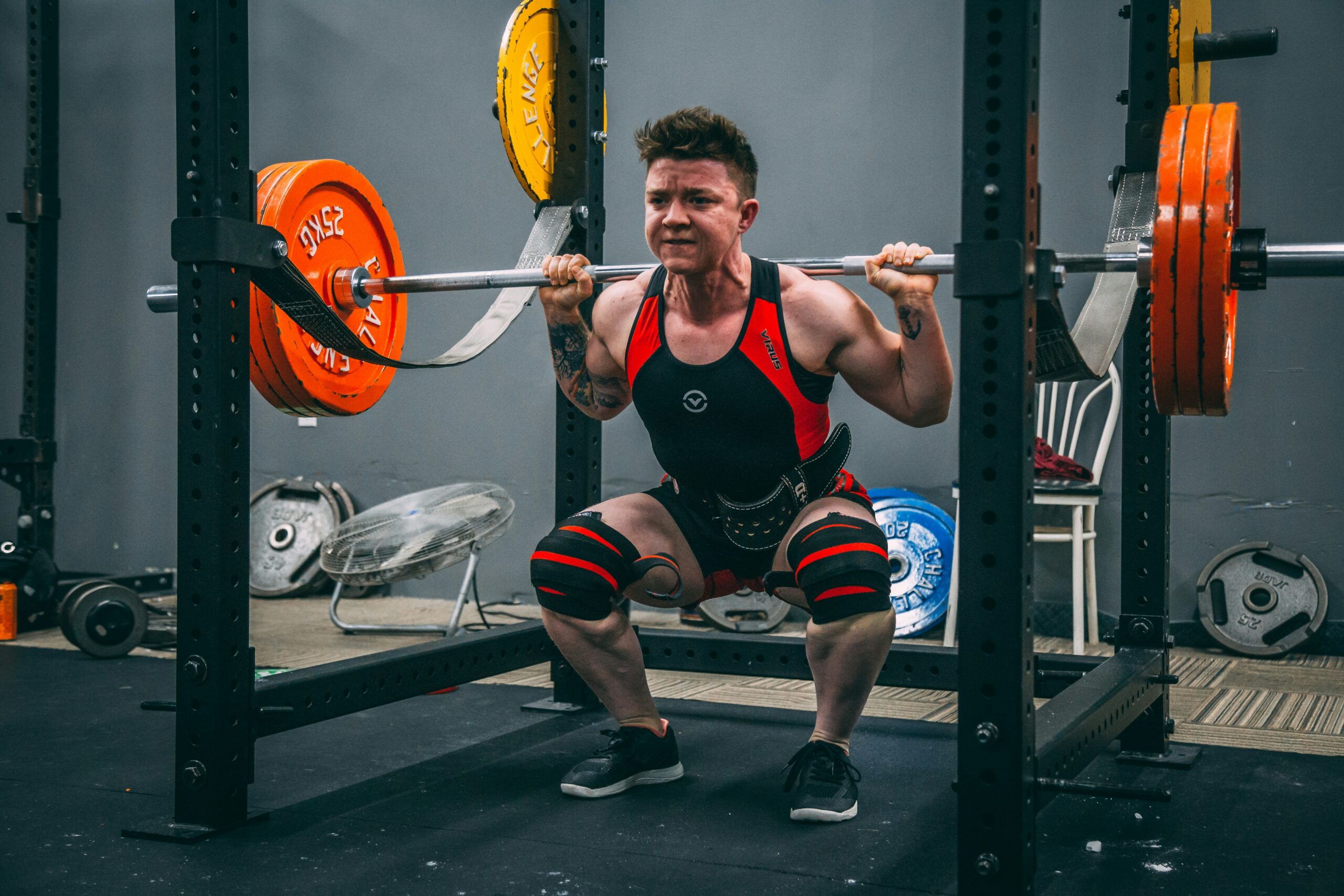
Weightlifting helps people build strength, confidence, and long-term health. However, progress depends on how well you train, not just how hard you try. Effective weightlifting techniques allow you to gain muscle faster while reducing the risk of injury. Moreover, they help you stay consistent and motivated over time. When you use proper form and smart planning, your workouts feel more controlled and rewarding. As a result, you can unlock strength beyond limits and reach goals that once felt out of reach.
Mastering Proper Form for Lasting Strength
Proper form is the foundation of effective weightlifting techniques. When you move with control, your muscles do the work instead of your joints. As a result, you reduce stress on your body and lift with more confidence. Good form also improves balance and coordination. Moreover, it helps you feel the target muscle with each rep, leading to better results. Many lifters rush their movements, but slow, steady reps often lead to better gains. Therefore, focusing on form from the start sets you up for long-term success.
However, learning takes patience and focus. You should start with lighter weights to practice movement patterns. Over time, you can add load while keeping control. Additionally, mirrors or video recordings can help you spot errors. When needed, guidance from a coach or trainer adds value. As you improve form, your strength grows more evenly. Consequently, your body stays healthier and more capable as training intensity increases.
Building a Strong Mind-Muscle Connection
The mind-muscle connection plays a major role in effective weightlifting techniques. When you focus on the muscle you train, you improve muscle activation. As a result, each rep becomes more productive. Instead of just moving weight, you learn to feel the muscle shorten and stretch. Moreover, this focus improves control and reduces wasted effort. Many beginners overlook this skill, yet it often separates average results from great ones.
To build this connection, you should slow down your reps and limit distractions. For example, controlled breathing helps you stay focused. Additionally, visualizing the muscle working can improve engagement. Over time, your awareness improves, and your lifts feel smoother. Therefore, training becomes more intentional and efficient. As your control grows, you may notice better muscle tone and steady strength gains.
Progressive Overload Without Burnout
Progressive overload remains a key principle in effective weightlifting techniques. It means increasing stress on muscles over time to force growth. However, overload does not always mean lifting heavier weights. You can also add reps, slow tempo, or improve the range of motion. As a result, your muscles adapt without constant strain. This balanced approach keeps progress steady and safe.
However, pushing too hard can lead to burnout or injury. Therefore, you should listen to your body and plan recovery. Rest days allow muscles to rebuild and grow stronger. Moreover, tracking workouts helps you notice patterns and avoid plateaus. When overload feels controlled, training stays enjoyable. Consequently, you build strength while protecting long-term health.
The Role of Recovery in Performance Growth
Recovery supports every part of effective weightlifting techniques. Without enough rest, muscles cannot repair or grow. Sleep plays a major role because growth hormones are released during deep rest. As a result, quality sleep improves strength and energy. Nutrition also matters because muscles need fuel to recover. Moreover, hydration helps joints move smoothly and reduces fatigue.
Active recovery methods add extra benefits. Light stretching improves blood flow and flexibility. Additionally, low-intensity movement reduces soreness after hard sessions. You should also manage stress, as mental strain can affect physical performance. Therefore, a balanced lifestyle supports better lifting results. When recovery becomes a priority, workouts feel stronger and more consistent.
Designing a Sustainable Weightlifting Routine
A sustainable routine keeps effective weightlifting techniques working over time. Consistency matters more than short bursts of effort. Therefore, you should choose a schedule that fits your life. Simple plans often work best because they reduce stress. Moreover, realistic goals keep motivation high and frustration low.
Variety also supports long-term progress. Changing exercises prevents boredom and overuse injuries. However, you should still keep core lifts to track strength gains. Listening to your body helps you adjust volume and intensity. As a result, training stays enjoyable and productive. When routines feel sustainable, weightlifting becomes a lifelong habit rather than a short-term effort.