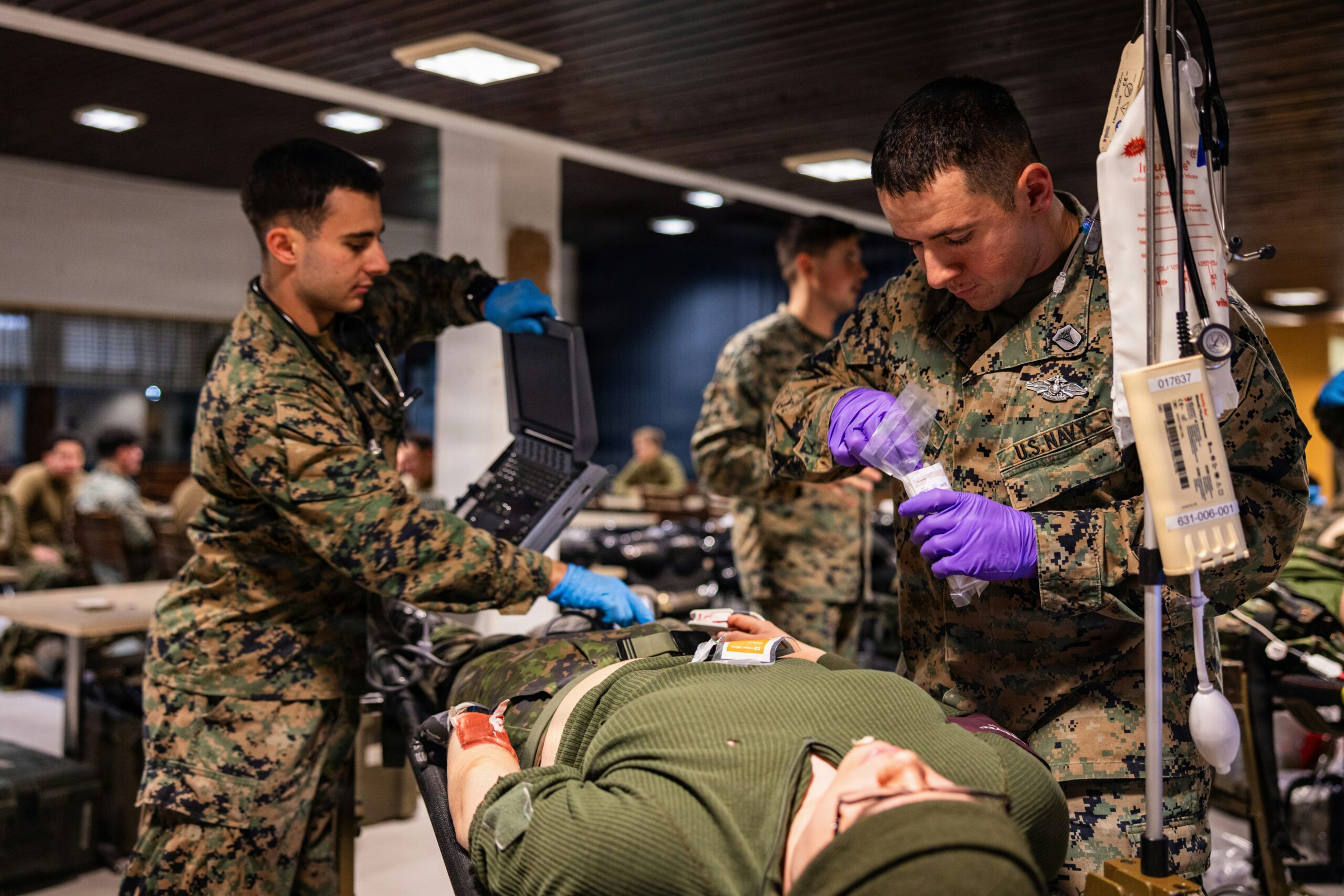
Emergency medicine plays a vital role in modern healthcare by providing immediate care during life-threatening situations. Every day, emergency medicine teams respond to severe injuries, heart attacks, strokes, breathing problems, and other urgent medical emergencies. Doctors, nurses, paramedics, and trauma specialists work together in fast-moving environments where every second matters. Their actions often decide whether patients survive and recover successfully.
Emergency medicine teams face intense pressure during every shift. Patients arrive unexpectedly, and medical conditions can change within moments. However, these healthcare professionals continue delivering life-saving care with speed, skill, and compassion. Through teamwork, advanced training, and strong communication, emergency medicine teams protect communities and improve patient outcomes during critical situations.
The Fast Pace of Emergency Medicine
Emergency medicine departments operate around the clock because emergencies never follow a schedule. Patients arrive at hospitals during the day, late at night, and even during natural disasters or public crises. Emergency medicine professionals must remain prepared for any situation while managing multiple patients simultaneously.
The fast pace of emergency medicine creates constant pressure. Doctors and nurses often move quickly between trauma cases, cardiac emergencies, and severe illnesses without breaks. At the same time, they must remain calm and focused, as delays can place patients at serious risk. Therefore, emergency medicine teams train extensively to handle stressful conditions and respond rapidly during emergencies.
Teamwork Builds Strong Emergency Care
Teamwork remains one of the most important parts of emergency medicine. Emergency departments rely on doctors, nurses, surgeons, respiratory therapists, technicians, and paramedics working together efficiently. Every healthcare worker plays a specific role during patient care, and strong coordination improves treatment speed and accuracy.
Emergency medicine teams communicate constantly during emergencies. For example, trauma teams must share updates while stabilizing patients, preparing equipment, and arranging surgery. Clear communication reduces confusion and allows healthcare workers to focus on patient needs. As a result, teamwork helps emergency medicine professionals save lives during high-pressure situations.
Rapid Response During Critical Emergencies
Emergency medicine teams must respond quickly during medical crises because time is directly linked to survival. Patients experiencing heart attacks, strokes, severe bleeding, or breathing failure need immediate treatment. Therefore, emergency healthcare workers begin assessments and life-saving procedures within moments of arrival.
Rapid response requires strong organization and preparation. Emergency medicine professionals use triage systems to identify the most serious cases first. Meanwhile, paramedics communicate with hospitals before arrival so emergency teams can prepare equipment and treatment plans. This fast coordination improves patient outcomes and reduces delays during emergencies.
Trauma Care in Emergency Medicine
Trauma care represents one of the most demanding parts of emergency medicine. Patients injured in car crashes, falls, workplace accidents, or violent incidents often arrive with life-threatening injuries. Trauma teams must stabilize these patients quickly to prevent severe complications or death.
Emergency medicine professionals handle trauma cases with speed and precision. Doctors manage airways, nurses monitor vital signs, and surgeons prepare for emergency operations. At the same time, radiology teams perform scans to identify internal injuries. Because trauma care depends on teamwork and fast action, emergency medicine teams train regularly for these situations.
Decision-Making Under Pressure
Emergency medicine professionals make difficult decisions every day. Doctors often treat patients with limited information and very little time. A patient may arrive unconscious, unable to speak, or suffering from severe pain. Therefore, emergency medicine teams must identify problems quickly and begin treatment immediately.
Pressure affects every emergency department. However, experienced healthcare workers learn how to stay calm during difficult moments. They rely on medical knowledge, teamwork, and clinical experience to guide their decisions. As a result, emergency medicine professionals can manage life-threatening situations while maintaining patient safety and quality of care.
Communication Saves Lives
Communication plays a major role in emergency medicine because healthcare workers must exchange information quickly and clearly. Doctors update nurses about treatment plans, paramedics report patient conditions during transport, and specialists provide guidance during complex emergencies.
Good communication also supports patients and families during stressful situations. Emergency medicine professionals explain medical conditions, treatment options, and next steps in simple language. Consequently, patients feel more informed and less afraid during emergencies. Strong communication improves trust and helps emergency departments operate more effectively.
Technology Supports Emergency Medicine Teams
Technology continues to improve emergency medicine in many ways. Hospitals now use advanced imaging systems, electronic health records, portable ultrasound devices, and heart-monitoring equipment to diagnose and treat patients more quickly. These tools help emergency medicine teams make accurate decisions during critical situations.
Telemedicine and artificial intelligence also strengthen emergency care. Specialists can guide doctors remotely during complex cases, especially in rural hospitals. Meanwhile, artificial intelligence helps identify high-risk conditions more quickly. Because of these advancements, emergency medicine teams can respond faster and improve patient survival rates.
Emotional Challenges in Emergency Medicine
Emergency medicine professionals face emotional stress every day. Doctors and nurses witness severe injuries, patient deaths, and emotional family situations regularly. Even experienced healthcare workers can struggle with the emotional impact of emergency care.
Many hospitals now provide mental health support for emergency medicine teams. Counseling services, peer support groups, and wellness programs help healthcare workers manage stress and avoid burnout. In addition, coworkers often support one another because they understand the emotional challenges of the job. Strong emotional support helps emergency medicine professionals continue delivering compassionate patient care.
Emergency Medicine During Public Health Crises
Emergency medicine teams become even more important during public health emergencies. Natural disasters, disease outbreaks, and mass-casualty incidents place overwhelming pressure on hospitals and healthcare systems. Emergency departments must treat large numbers of patients while continuing normal medical services.
The COVID-19 pandemic showed the dedication of emergency medicine professionals around the world. Doctors, nurses, and paramedics worked long hours while facing emotional exhaustion and personal risk. Nevertheless, they continued treating critically ill patients every day. Their commitment protected countless lives and demonstrated the importance of emergency medicine during global crises.