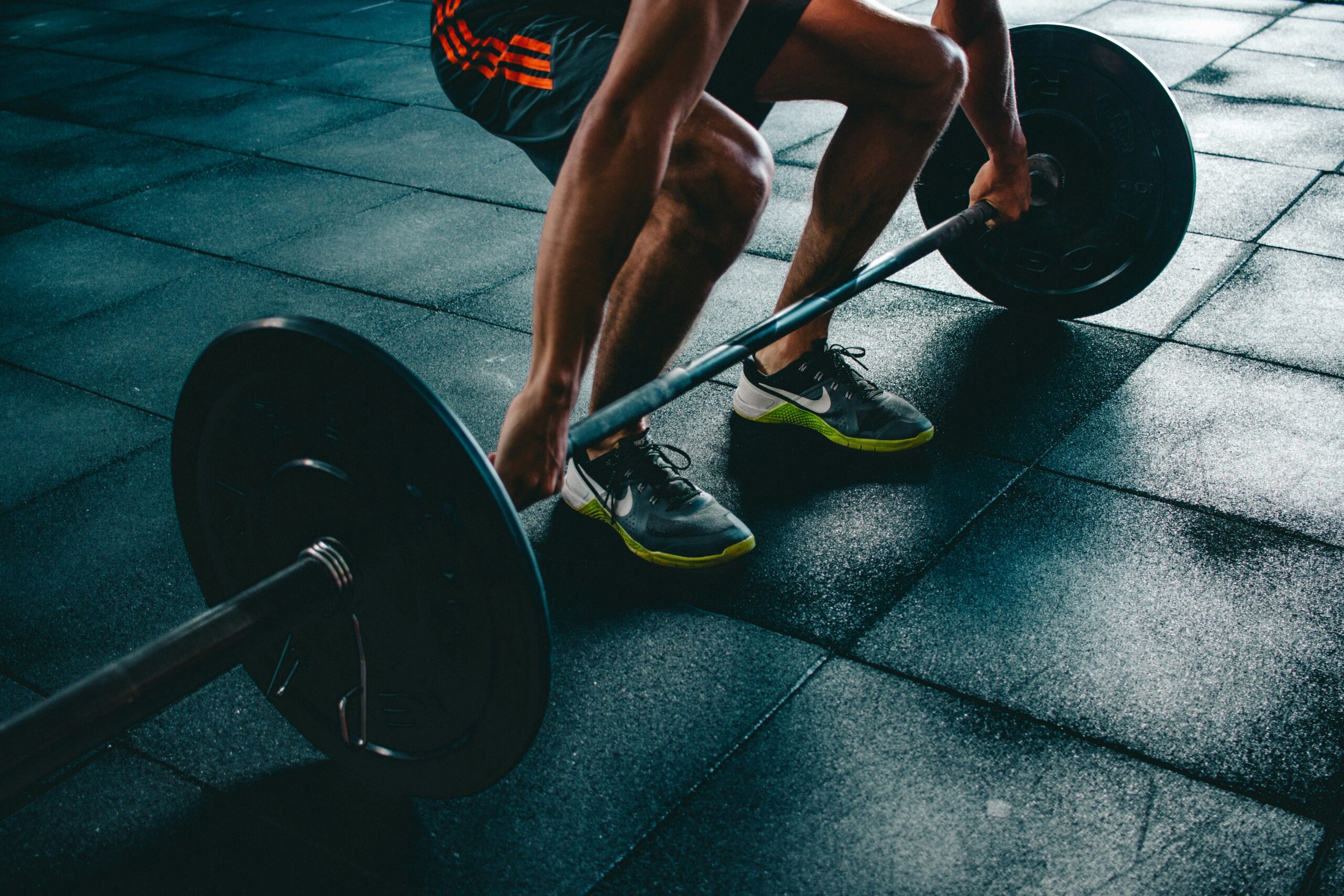
Weightlifting offers far more than bigger muscles and heavier numbers on a bar. Instead, it develops strength, coordination, discipline, confidence, and physical resilience. However, effective weightlifting requires more than simply lifting as much weight as possible. Athletes and fitness enthusiasts can unlock greater potential by combining proper technique, progressive training, recovery, and consistency. Therefore, understanding the fundamentals can help lifters train safely while making steady progress. Whether you are a beginner or an experienced athlete, smart weightlifting techniques can transform the way you approach strength training.
Mastering the Fundamentals of Weightlifting
Proper technique provides the foundation for successful weightlifting. Before increasing the load, lifters should learn how to control their posture, movement, breathing, and range of motion. For example, exercises such as squats, deadlifts, bench presses, rows, and overhead presses require coordinated movement from several muscle groups. Therefore, maintaining a stable core and controlled motion can improve performance while reducing unnecessary strain. In addition, beginners should practice with manageable weights until each movement feels natural and consistent.
Furthermore, technique should remain a priority even as strength increases. Heavy weights can encourage lifters to rush repetitions or sacrifice form, but this approach can limit progress. Instead, athletes should maintain control throughout every phase of an exercise. A strong setup, steady tempo, and proper body alignment can help muscles work efficiently. Moreover, recording training sessions or working with a qualified coach can help identify technical weaknesses. As a result, lifters can build stronger movement patterns before adding more resistance.
Use Progressive Overload to Drive Progress
Progressive overload plays a central role in building strength and muscle. Essentially, the body adapts when training gradually becomes more challenging. However, progression does not always mean adding more weight to the bar. Lifters can also increase repetitions, improve technique, add training volume, reduce rest periods, or use a greater range of motion. Therefore, athletes should select a progression method that matches their goals and experience level. Small, consistent improvements often produce better long-term results than dramatic increases that compromise technique.
Additionally, lifters should track their workouts to understand how their bodies respond to training. A simple training log can record exercises, sets, repetitions, weights, and perceived difficulty. Consequently, this information makes it easier to recognize progress and identify plateaus. When an athlete consistently completes a specific workload with good technique, gradually increasing the challenge can encourage further adaptation. Nevertheless, progression should remain controlled because pushing too aggressively can increase fatigue and interfere with recovery.
Build a Balanced Strength Training Routine
A well-designed routine should train the major movement patterns rather than focusing on one muscle group. For instance, a balanced program can include squatting, hinging, pushing, pulling, carrying, and core-focused movements. As a result, the body develops more evenly and performs everyday and athletic tasks more effectively. Furthermore, compound exercises can provide an efficient way to train multiple muscles at once. Squats and deadlifts develop lower-body and core strength, while presses and rows strengthen the upper body.
However, balance also means managing training frequency and volume. Performing demanding workouts every day may seem productive, but muscles and connective tissues need time to recover. Therefore, lifters should organize training days according to their experience, goals, and overall workload. Alternating muscle groups or movement patterns can provide valuable recovery between challenging sessions. In addition, incorporating lighter training days can help maintain consistency without creating excessive fatigue. Ultimately, a balanced routine supports sustainable progress rather than short-term exhaustion.
Improve Strength Through Controlled Movement
Controlled movement can make every repetition more productive. Instead of rushing through an exercise, lifters should focus on maintaining stability from the beginning of the repetition to the end. For example, lowering a weight under control can increase muscular tension and reinforce proper movement mechanics. Moreover, pausing briefly at challenging positions can help athletes develop greater awareness and control. Therefore, quality repetitions should remain more important than simply completing a high number of repetitions.
Breathing also contributes to effective weightlifting technique. Generally, lifters should develop a consistent breathing pattern that supports stability and effort during demanding movements. A controlled breath can help maintain focus and create a stronger foundation during heavy lifts. Additionally, athletes should avoid turning every repetition into a rushed effort. Instead, they can establish a steady rhythm that allows them to concentrate on posture, positioning, and muscular engagement. Over time, controlled movement can improve confidence and make complex exercises feel more natural.
Strengthen the Core for Better Performance
Core strength provides an important foundation for many weightlifting movements. The core includes more than the abdominal muscles because it involves several muscles that help stabilize the trunk and transfer force between the upper and lower body. Therefore, exercises such as squats, deadlifts, carries, and overhead presses naturally challenge the core. In addition, dedicated movements such as planks, dead bugs, and controlled rotational exercises can complement compound lifts.
Furthermore, a stronger core can improve body control during demanding movements. When the torso remains stable, the lifter can transfer force more effectively and maintain better positioning. However, core training should complement rather than replace major strength exercises. Lifters should therefore incorporate core work strategically while continuing to develop overall strength. As a result, improved trunk stability can support better technique across a wide range of exercises.
Develop Mental Strength and Training Discipline
Physical strength often grows alongside mental discipline. Weightlifting requires patience because meaningful progress rarely happens overnight. Therefore, athletes should focus on consistent effort rather than expecting dramatic changes after every workout. Some sessions will feel powerful, while others may feel difficult because of fatigue, stress, or poor sleep. Nevertheless, maintaining realistic expectations can help lifters stay committed during periods of slower progress.
Moreover, setting specific goals can provide direction and motivation. A lifter might aim to improve technique, increase a particular lift, complete more controlled repetitions, or maintain a consistent training schedule. Breaking larger objectives into smaller milestones can make progress easier to recognize. Additionally, athletes should learn to distinguish productive discomfort from warning signs that require caution. By combining patience, focus, and discipline, lifters can build a mindset that supports long-term development.