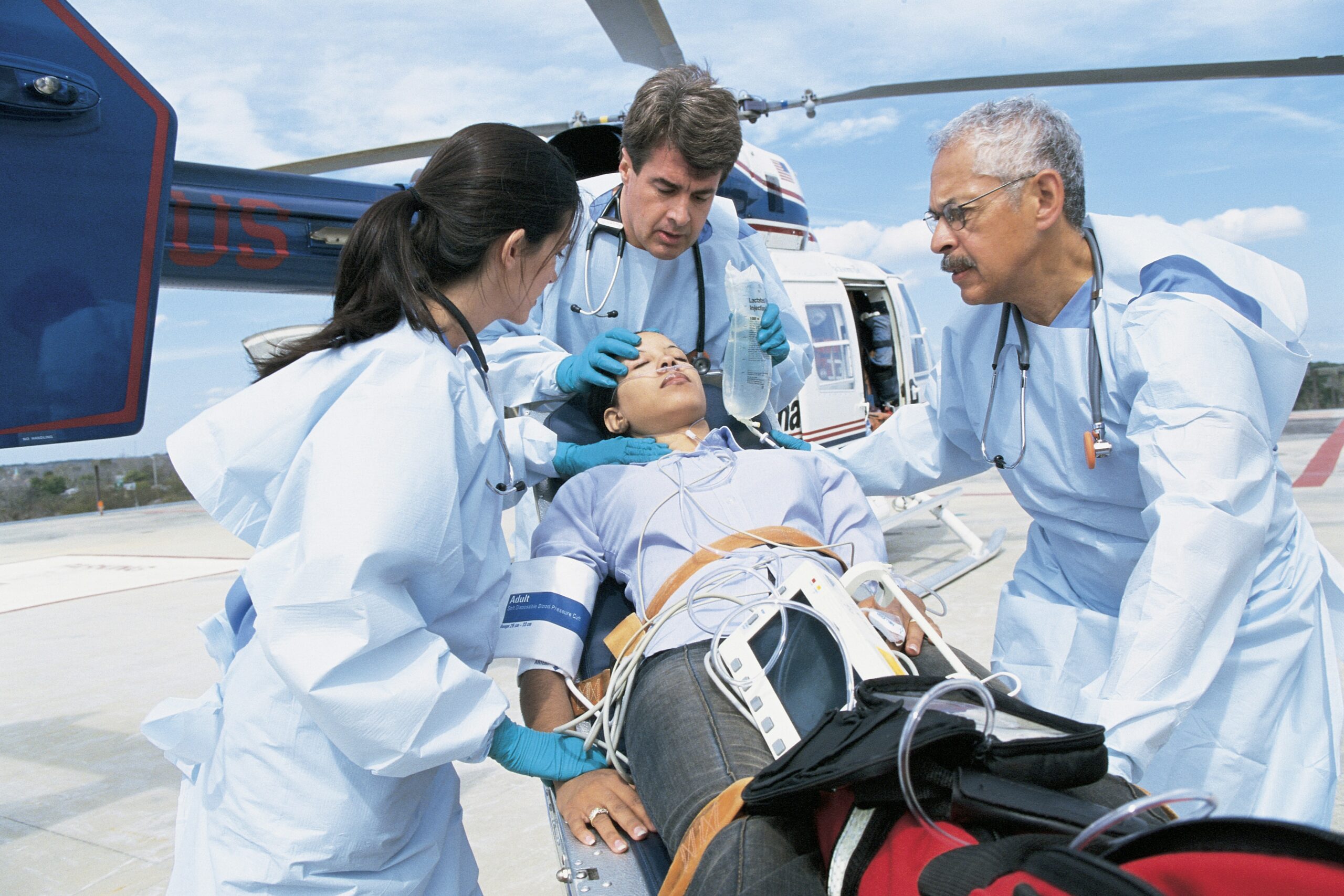
Emergency medicine is one of the most demanding and rewarding fields in healthcare. Every day, emergency physicians, nurses, paramedics, and support staff face life-threatening situations that require quick thinking, expert knowledge, and calm decision-making. Whether responding to severe injuries, heart attacks, strokes, or unexpected medical emergencies, these professionals work under constant pressure to save lives.
The emergency department never follows a predictable schedule. Patients arrive at all hours with different conditions, making every shift unique. Despite the challenges, emergency medicine remains a vital part of healthcare because it provides immediate treatment when every second matters.
The Fast-Paced World of Emergency Medicine
Emergency medicine is built around speed and accuracy. Healthcare professionals must quickly evaluate patients, identify critical conditions, and begin treatment without delay. Unlike other medical specialties that may have time for detailed planning, emergency teams often make life-saving decisions within minutes.
A patient experiencing chest pain, for example, may need immediate testing to determine whether they are having a heart attack. Someone involved in a serious accident may require rapid surgery, blood transfusions, or advanced trauma care. Every decision can significantly affect the patient’s outcome, making efficiency essential.
This fast-paced environment demands exceptional teamwork. Doctors, nurses, technicians, and emergency medical responders communicate continuously to ensure patients receive the best possible care.
The Importance of Staying Calm Under Pressure
One of the greatest strengths of emergency medicine professionals is their ability to remain calm during stressful situations. Medical emergencies often involve emotional family members, critically ill patients, and rapidly changing conditions. Maintaining focus allows healthcare providers to think clearly and make informed decisions.
Stress management becomes an essential skill in the emergency department. Professionals rely on years of education, hands-on experience, and continuous training to perform confidently even during the most difficult cases. Their ability to control emotions while delivering compassionate care helps create a sense of stability for both patients and families.
Remaining calm also improves communication among team members, reducing errors and ensuring treatments are delivered efficiently.
Technology Supporting Emergency Care
Modern technology has transformed emergency medicine in remarkable ways. Advanced diagnostic equipment allows physicians to identify serious medical conditions more quickly than ever before. Portable ultrasound devices, digital imaging systems, and rapid laboratory testing help healthcare teams make faster and more accurate diagnoses.
Electronic medical records provide immediate access to patient histories, allergies, medications, and previous treatments. This information helps emergency physicians make safer decisions, especially when treating unconscious or critically ill patients.
Telemedicine has also expanded access to emergency specialists. Hospitals can consult neurologists, trauma experts, or cardiologists remotely, allowing patients to receive expert guidance without unnecessary delays.
As technology continues to evolve, emergency departments become more efficient while maintaining high standards of patient care.
The Emotional Challenges Behind Every Shift
Emergency medicine involves more than treating physical injuries. Healthcare professionals frequently witness trauma, grief, and unexpected loss. They support families during difficult moments while continuing to care for other patients waiting for treatment.
The emotional impact of these experiences can be significant. Many emergency workers encounter situations involving severe accidents, life-threatening illnesses, or young patients facing critical conditions. Balancing emotional resilience with compassion requires ongoing mental strength.
Many hospitals now recognize the importance of supporting healthcare workers through counseling services, peer support programs, and wellness initiatives. Protecting the mental health of emergency professionals helps them continue delivering high-quality patient care while reducing burnout.
Teamwork Makes Every Second Count
Successful emergency medicine depends on strong collaboration. Every member of the healthcare team has a specific role that contributes to patient survival and recovery. Physicians evaluate medical conditions, nurses monitor patients and administer treatments, technicians operate specialized equipment, and paramedics provide critical care before patients even reach the hospital.
Clear communication becomes especially important during major emergencies involving multiple patients. Trauma teams often follow organized protocols that allow everyone to understand their responsibilities immediately.
This coordinated approach reduces delays, improves patient safety, and increases the chances of successful treatment. Effective teamwork is one of the defining characteristics of emergency medicine.
Continuous Learning Improves Patient Outcomes
Medical knowledge constantly evolves, making lifelong learning essential for emergency healthcare professionals. New treatment guidelines, medications, diagnostic techniques, and medical technologies regularly improve patient care.
Emergency physicians participate in continuing education, simulation training, and certification programs to maintain their skills. Practice scenarios allow teams to prepare for rare but critical situations, including mass casualty incidents, cardiac arrests, and pediatric emergencies.
This commitment to education ensures that patients benefit from the latest evidence-based treatments while healthcare professionals remain prepared for new medical challenges.
The Lasting Impact of Emergency Medicine
Emergency medicine represents the front line of healthcare, where every decision has the potential to save a life. Behind every successful emergency treatment is a dedicated team working tirelessly under intense pressure, combining medical expertise with compassion and resilience.
Although the work is physically demanding and emotionally challenging, emergency professionals continue to serve with remarkable dedication. Their ability to respond quickly, adapt to unpredictable situations, and provide expert care makes a lasting difference for countless patients every day.
The insights gained from the frontlines of emergency medicine remind us that saving lives requires more than advanced medical knowledge. It depends on teamwork, continuous learning, emotional strength, and an unwavering commitment to helping others when they need it most.